Mapping Our Concerns: The Power of Target Maps and Webbing
It was incredible watching the learners take on a complex, deeply important topic like child abuse and systematically turn it into a researchable, actionable project. This wasn't just a classroom exercise; it was an act of civic empowerment, guided by two simple yet profound tools: the Target Map and Webbing.
BLOG POSTS
Henry Sempangi Sanyulye
11/13/20252 min read
From Concern to Concrete Plan
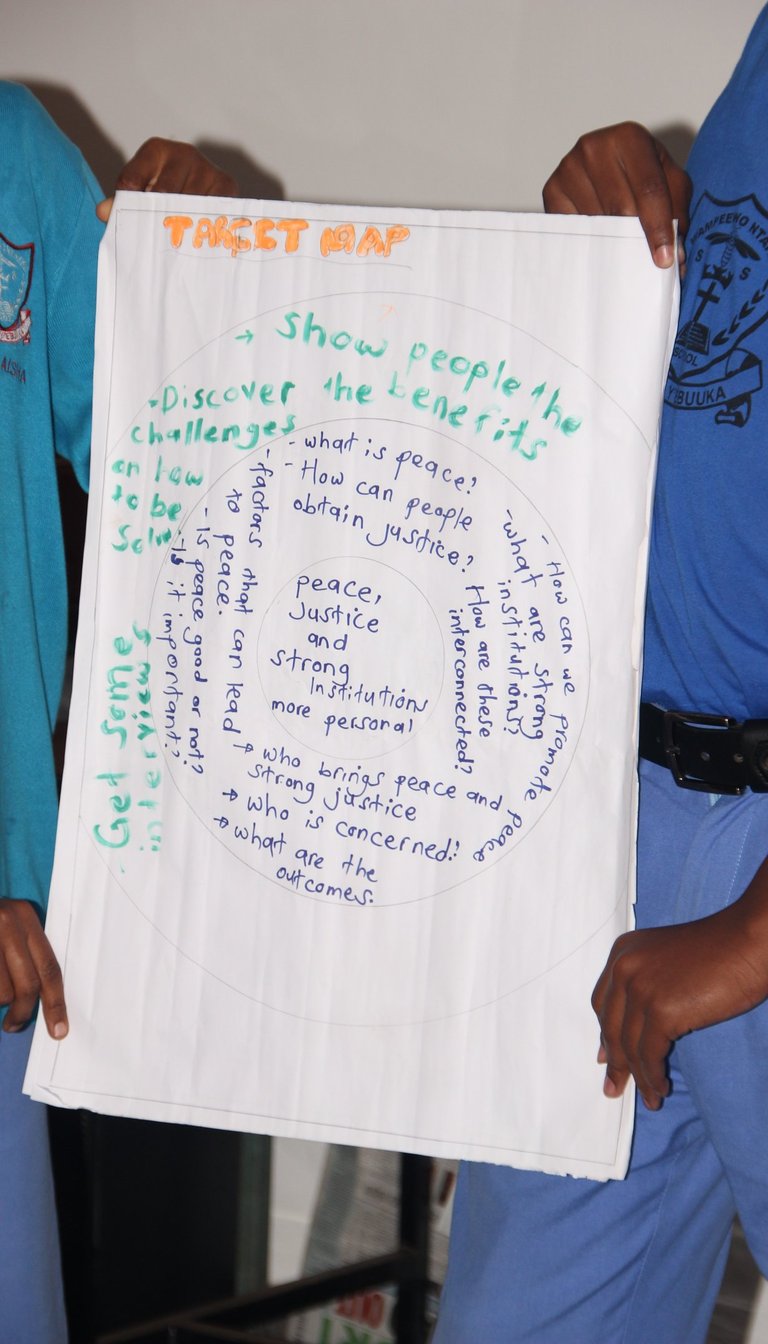
The Target Map is the engine that drives focused inquiry. It guides learners to structure their thinking around three key layers:
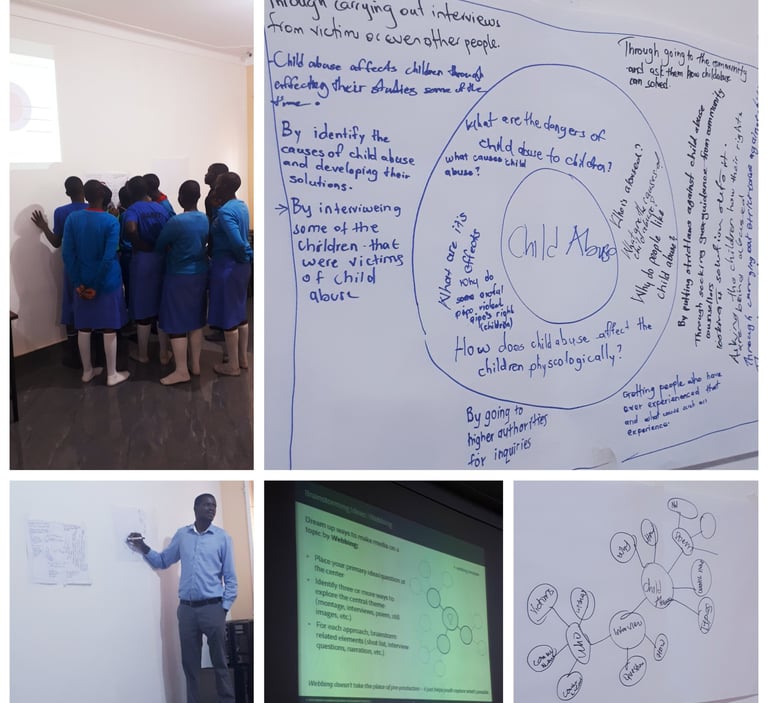
KNOW (The Center): Place the core issue—what they already know and genuinely care about—in the middle. For these students, it was "Child Abuse."
WANT (The Questions): Brainstorm every question they have about that topic. This is where their concerns become specific research questions, like, "What are the dangers of child abuse to children?" and "How does child abuse affect the children physically?"
HOW (The Resources): Identify the practical methods and resources they can use to find the answers. This moved them toward action: "By interviewing some of the children that were victims," or "By going to higher authorities for inquiries."
Weaving Action into Reality
Once the questions were clear, the learners moved to Webbing. This tool helps them translate their core questions into three or more concrete approaches, like creating a media montage, a poem, or a public service announcement. For each approach, they then explored the steps needed to get it done.
Look at what they mapped out:
They identified project methods like carrying out interviews with victims or experts.
They planned to go to the community and higher authorities for information.
They laid out the steps for how they would use their findings, such as putting out a statement against abuse or identifying the causes and developing solutions.
A Personal Reflection on Empowerment
When I see these maps and webs, I see more than just an assignment; I see the architecture of change. This activity is vital because it proves to young people that their passionate concerns—the issues that truly matter to them—don't have to remain overwhelming or abstract. The Target Map and Webbing provide a framework for them to grab hold of a big problem and break it down into small, researchable, and actionable steps.
They learned to make their own connections and map their own solutions. That is a foundational skill for any young person hoping to be an active, effective participant in their community. They are not just learning facts; they are learning how to be a voice and create impact.
Contact
Get in touch
Follow
Support
+256 776847748
© 2025. All rights reserved.